Quick answer: Leg elevation uses gravity alone — a passive, limited approach to fluid drainage
Key Takeaways
- Leg elevation uses gravity alone — a passive, limited approach to fluid drainage
- Compression therapy actively drives fluid through lymphatic and circulatory systems
- Sequential pressure provides 5-10x more circulatory force than gravity-assisted drainage
- Compression improves both venous return AND arterial delivery — elevation only helps venous return
- Professional sessions deliver consistent, calibrated results in 30 minutes
The Limitations of Leg Elevation
Elevating your legs is a simple, helpful technique for mild swelling. Gravity assists fluid drainage, which can reduce puffiness and discomfort. However, elevation alone provides passive relief without actively stimulating circulation or lymphatic drainage.
For Greenville and Simpsonville residents dealing with chronic swelling, post-workout fatigue, or recovery needs, elevation simply doesn't deliver enough targeted benefit to make a meaningful difference. It reduces fluid accumulation but doesn't actively flush metabolic waste or improve oxygen delivery.
Leg elevation relies on gravity — roughly 0.01 PSI of force. Compression therapy delivers 30-100+ mmHg of sequential pressure — hundreds of times more effective at moving fluid through your circulatory system.
Active Recovery with Professional Compression
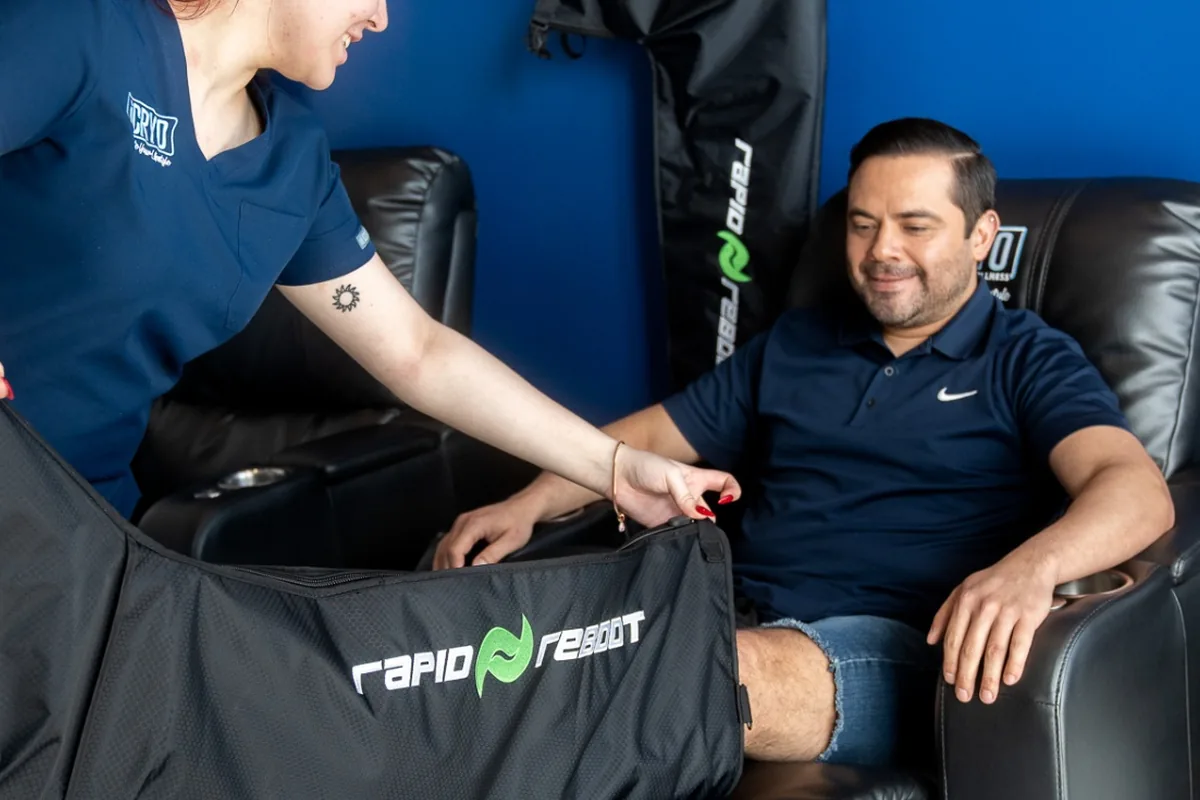
Our medical-grade compression boots at iCRYO Mauldin deliver sequential, pneumatic pressure that actively stimulates blood flow, promotes lymphatic drainage, and reduces inflammation throughout your legs. This targeted approach produces faster, more consistent results than passive elevation.
The key difference is active vs passive: compression therapy doesn't wait for gravity to do the work — it actively pushes fluid through your circulatory and lymphatic systems with precisely calibrated force.
- Active fluid movement vs passive gravity drainage
- Sequential pressure targets specific muscle groups and vessels
- Improves both venous return and arterial oxygen delivery
- Reduces inflammation and metabolic waste accumulation
- Professional supervision ensures safe, optimal pressure settings
When Each Method Is Appropriate
Elevation is a useful complement to compression therapy and can help between sessions. However, for meaningful recovery from exercise, surgery, or chronic circulation issues, professional compression therapy provides the active intervention your body needs.
Clients notice reduced leg fatigue, decreased swelling, and improved comfort after just one compression session — results that would take hours of elevation to approximate.
Get Real Relief at iCRYO Mauldin
Stop relying on passive methods alone. Professional compression therapy delivers the active recovery your body needs for meaningful, lasting results.
Book your session at 100 N Main St STE. B, Mauldin, SC 29662 or call (864) 478-7429 today.